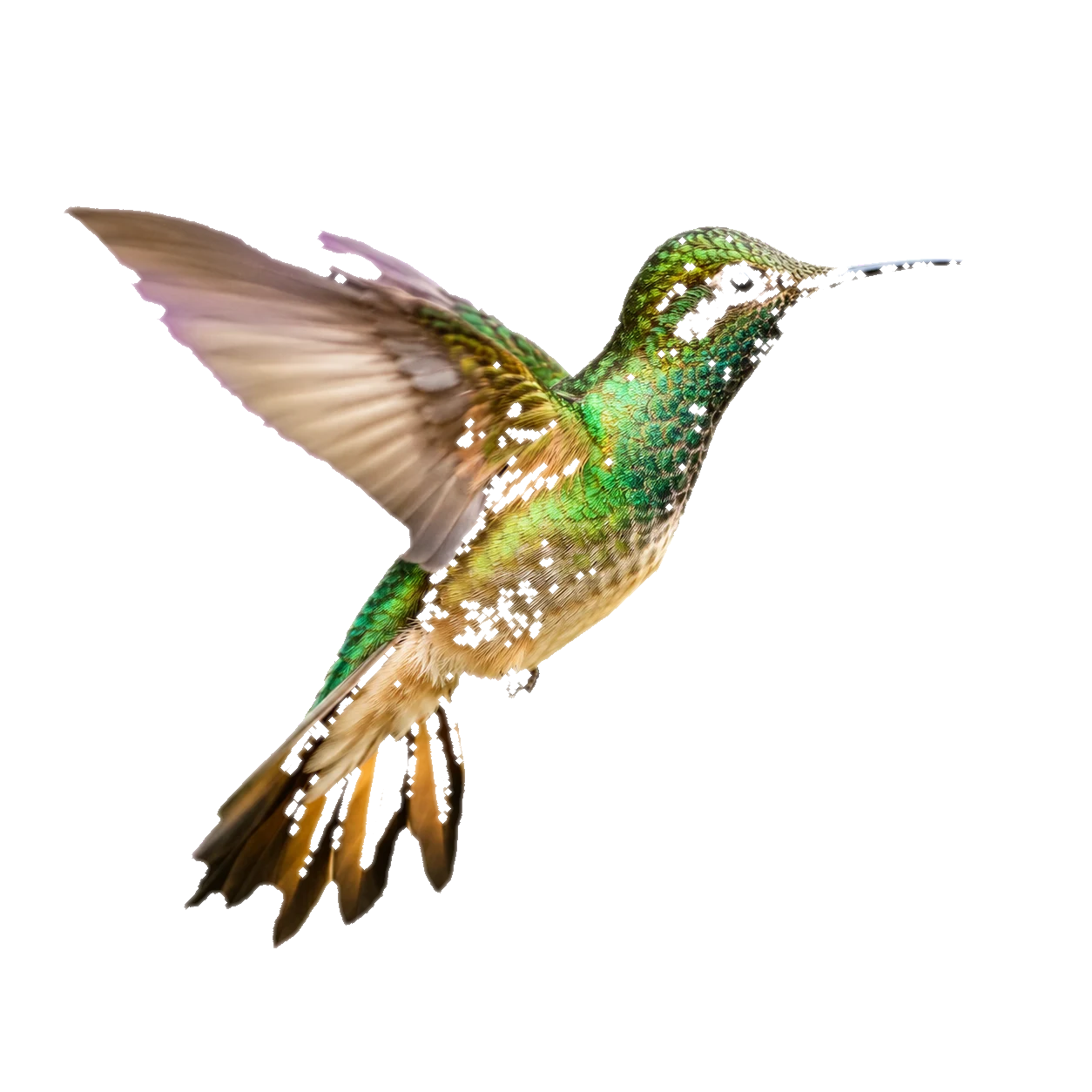
The northern coast of Yucatan is one of Mexico's most important birding regions, and Sisal sits at the heart of it. The convergence of coastal ecosystems at Sisal — mangrove forest, coastal lagoons, sandy beach, Gulf of Mexico and inland scrub — creates a mosaic of habitats that supports an extraordinary diversity of birdlife: over 200 species recorded within 10km of the town.
Sisal also sits directly in the flight path of migratory birds crossing the Gulf of Mexico from the United States and Canada. Tired after their overnight Gulf crossing, these birds land in Sisal's mangroves and lagoons to rest and refuel, creating spectacular concentrations of warblers, shorebirds and raptors during spring and fall migration periods.
Star Species at Sisal
The birds birders travel specifically to see at Sisal include: American flamingo (Phoenicopterus ruber), roseate spoonbill (Platalea ajaja), reddish egret (Egretta rufescens), white ibis, brown pelican, magnificent frigatebird, osprey, green kingfisher, semipalmated plover, snowy plover and dozens of warbler species during migration. The flamingo is the undisputed flagship species.
Best Times for Birdwatching at Sisal
Each season offers something special: August-November for fall migration (highest species diversity), December-February for flamingos and wintering waterfowl, March-May for spring migration (warblers in breeding plumage), June-July for breeding residents. Dawn is always the most productive time regardless of season — we offer 5:30am departures for serious birders.
Our Birding Guides and What's Included
Our birdwatching guides combine local ecological knowledge with genuine ornithological expertise. We use the Cornell Lab's Merlin app for acoustic identification and maintain updated eBird checklists for the area. Each tour includes binoculars, field guide for the region, complete species checklist and a morning in multiple habitat types for maximum diversity.
Ready to book your adventure? Contact Sisal Expeditions now.
Reservar en línea → WhatsApp · Book Now See All Tours